


We just wrapped our second season of The Best of Book Marketing Podcast.
It’s hard to believe how much ground we covered — Facebook ads, Amazon ads, AI usage, book covers, slow sales, recognizing scams, getting your rights back, and more.
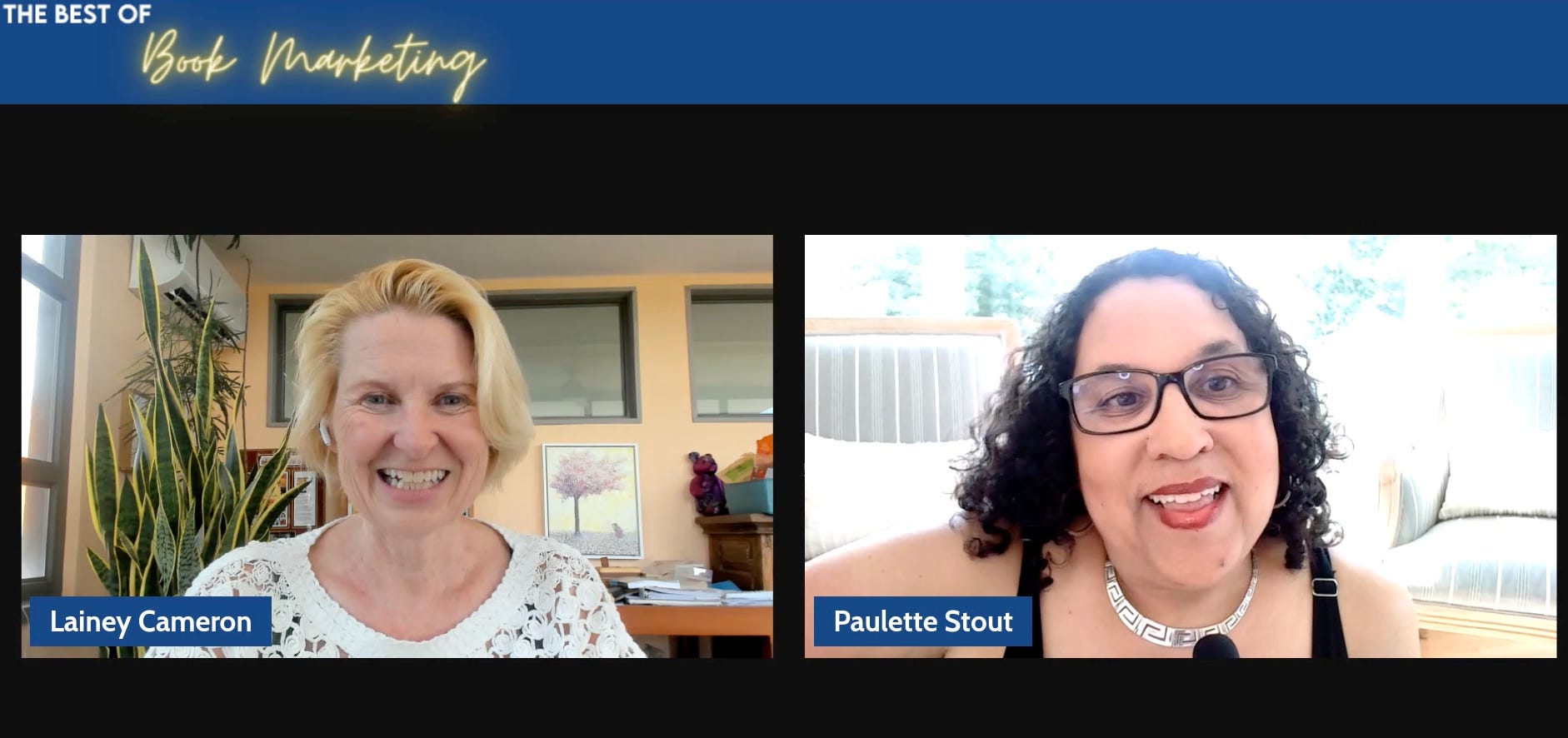
Like last year, we ended the season with a special recap episode — Episode 213: What You’ve Missed - Season Two Recap!
Below, check out our ten of the biggest takeaways from Season Two!
1. Facebook’s algorithm can do more of the targeting work than you think.
Our guest, Heidi McIntyre, walked us through Facebook ads targeting. This used to mean guessing at audiences until you got it right.
Today, a lot of the targeting signal to the algorithm comes from your images, headlines, and descriptions working together, not from hand-picking every audience parameter yourself.
“…the algorithm learns about who will connect with your ad, who will connect with your image, and who will connect with your copy points.”
Heidi McIntyre
If your last attempt at Facebook ads was a few years ago, it's worth another look.
Episode 201: Facebook Ads for Authors with Guest Heidi McIntyre
2. Amazon ads are an accelerant, not a fix.
Janet Margot — who used to work at Amazon — broke down how Amazon advertising actually works, and one framing has stuck with us.
Amazon ads only accelerate what’s already working, or as Paulette Stout put it, “zero times zero is zero.”
Ads work best as a companion to outside traffic driving to your sales page, not as a standalone fix for a book that isn’t selling on its own.
Episode 203: Amazon Ads for Authors with Janet Margot
3. AI can have a place in book marketing — but we don’t use it to write our books.
We tackled a hot topic, sharing exactly how we use AI, and where we don’t.
To be clear, neither of us uses generative AI to write our books. But there’s a difference between that and using AI for blurbs, marketing plans, or brainstorming, and there are a lot of great, legitimate, ethical ways to use it.
“I have no shame over where I use AI. I’m happy to share it.”
Lainey Cameron
If you've been avoiding the conversation, this episode is a good place to start.
Episode 202: AI for Authors
4. A book cover’s job isn’t to summarize the plot.
Our episode with Damon Freeman, Creative Director of Damonza design agency was one of our most-watched episodes of the season!
Damon provided a simple, step-by-step way to think about cover design. The core question to ask is what the cover needs to achieve, not how much of the story it needs to show.
“Is [the book cover] supposed to show every single thing that happened in the book? The answer is no.”
Paulette Stout (recapping some of what Damon taught us!)
Episode 204: Book Cover Design Tips with Damonza
5. Learning genre-specific tactics can help, even if you don’t write that genre.
Kimberly Belle and Saleema Ishq took different paths into thriller marketing and finding their readers (traditionally published versus indie). In our thriller episode, they shared fascinating insights on what has and has not worked for them.
Pamela Kelley has launched books in women's fiction as both an indie and a traditionally published author. In our women's fiction episode, she walked us through her exact process, step by step — including what she's deliberately stopped doing because it didn't work — and shared that running Amazon ads from her very first book was critical to that book taking off.
What connects both conversations is the underlying decisions: which platform to build on, when to invest in ads, what to cut once it stops working.
The conclusion? Don’t skip an episode just because it’s outside your genre or your publishing path. You might be surprised!
Episode 205: How to Market a Thriller with guests, Kimberly Belle and Saleema Ishq
Episode 212: How to Market Women’s Fiction with guest, Pamela Kelley
6. Every page on your author website should have a job.
Building an author website can feel overwhelming — where do you even start? This episode walked through which pages you actually need, what belongs on each one, and how they should link together so readers aren’t left hunting.
A great roadmap whether you’re building your first site or overhauling one that’s grown messy over time.
Episode 209: How to Build an Author Website
7. Scammers are good — verify independently, every time.
Scams are a topic that comes up constantly in our author community. We invited expert, Liz McLaughlin, to help us with how to recognize them, as well as how to keep our data secure.
“You need to get references from other authors [on whether something worked for them], not the person that [the scammer] sent you to.”
Lainey Cameron (recapping some of what Liz taught us)
The scammer’s own reference is not a reference — go find someone you actually know.
Episode 206: Scams, Scams, and more! Data Protection and Staying Safe as an Author
8. Your debut learnings set you up for your author future.
We invited back two authors Lainey had worked with on their debut launches, Christine Gunderson and Gabi Coatsworth to ask what they’d do differently with the hindsight of book two or three.
“[Christine and Gabi] had some really fun insights... super blunt and honest about what they would or wouldn’t do again, which I love. Nobody comes on this show and gatekeeps.”
Lainey Cameron
A reminder that your debut launch doesn’t have to be perfect — just a starting point you can learn from.
Episode 208: Book Marketing - What We’d Tell Our Debut Selves with guests, Christine Gunderson and Gabi Coatsworth
9. When sales stall, work our list from big to small.
Our episode on what to do when book sales don’t match expectations provided a checklist-style approach to diagnose slow book sales (all kudos to Paulette for that!).
We start with the big questions (is it the book itself, the packaging, the cover?) before moving into the tactical details (ad creative, blurb, categories, price).
“If you go through the checklist in order, it’ll really help you.”
Lainey Cameron (recapping Paulette’s great list for this episode!)
Find the checklist in our Substack post: Your Book Isn’t Selling, Now What?
Episode 207: Book Marketing Tips for Slow Book Sales
10. Getting your rights back is most authors’ first taste of self-publishing
When your publishing rights revert and you republish the book yourself, there’s a specific order of operations that protects your existing reviews and sets you up right.
Jean graciously documented her entire republishing process, step by step, and made it available to anyone navigating the same thing.
“I think this is not a topic that’s out there very broadly. It’s hard to find content on this.”
Lainey Cameron
This is one of Lainey’s favorite episodes of the whole season, simply because so few people talk about it — and she has personally sent half a dozen authors straight to this one.
Episode 210: Getting Back Your Publishing Rights, with guest, Jean M Grant
And that’s it! Our top ten for now.
Listen now to Episode 213: What You’ve Missed - Season Two Recap!
Find it on:
Our Episode Page with full transcript!
Recent Episodes:
8 Things Worth Knowing about Your Author Brand and Platform

Ask most authors what their author brand is, and they’ll tell you about their color palette. Maybe their logo. Their social media grid.
Lainey Cameron and Paulette Stout host The Best of Book Marketing Podcast, where they have real conversations about what actually works in book marketing — no fluff, just honest advice from authors who’ve been there.
Thank you, again, for a great second season. I always learn something new after watching one of your episodes!
Great content, you two!